
Four and a half years of "he's fine"
Michael is my middle son. The trouble started when he was three or four weeks old. Breastfeeding hurt from the first day, his latch was shallow, and he was never satisfied no matter how much he ate. He was colicky. He spit up constantly. He was rarely content. By one month my milk supply had tanked and we were moved to formula and bottles.
Then came the ear infections, one a month. Respiratory infections. Congestion that never cleared. Cradle cap that would not heal, diaper rash, eczema, dry rashy patches on his skin. We tried ointments, creams and prescriptions. None of it worked. And from every provider we saw, I heard the same line in different words. This is normal. A lot of kids have this or go through this.
When I asked our pediatrician about holistic options, he laughed at me. He said it wouldn't kill him, but it wouldn't help him either.
I pushed for allergy testing anyway. At six months old Michael had a skin scratch test, unusual at that age, and it came back severe for gluten, dairy and soy. We switched his formula. Within two weeks his skin cleared and his digestion improved. That was the first proof that looking for a cause worked.
It did not fix everything. Vacations were spent sick. To get him off the train of back to back antibiotics he had been on since one month old, we got creative with natural and herbal supplements. We hid pills in his applesauce. We opened capsules into coconut yogurt and hoped he would swallow fast enough not to spit it out.
And some things no allergy plan could touch. He never crawled properly and he walked late. He toe-walked and tripped constantly. I was convinced he must have muscular dystrophy. He fit every checkbox for the symptoms. One of the best pediatric neurologists at one of the best hospitals in Chicago evaluated him, and he did not have it. So what did he have? Nobody could tell me. Two years of physical and occupational therapy, twice a week, for coordination, core strength and balance did not make much difference. At four years old he still could not go up or down stairs without the railing or somebody's hand.

Stop ruling out. Start asking why.
The room where it changed
It changed in a continuing education course on tethered oral tissues. I was sitting with four colleagues from the hospital. On stage, Dr. Milton Geivelis was listing the symptoms that travel with tethered oral tissues and underdeveloped airways. Chronic infections. Poor sleep. Low muscle tone. Coordination problems.
He was describing my son.
On the break I walked up to him with shaking hands and said, "I think you just described my son." He offered to screen Michael himself and had him in his office within a week.
What was actually wrong
Michael had a posterior tongue tie and a severe upper lip tie. His palate was high and narrow, and his nasal breathing was restricted. By then he was also mouth breathing, had an open bite, dark circles under his eyes, and a face that was not developing the way it should.
In plain language: his tongue was anchored down, so it could not rest against the roof of his mouth and shape it as he grew. The roof of his mouth stayed narrow, which crowded the space he needed to breathe through his nose. So he breathed through his mouth, slept badly, and his body never got the deep rest it needed to fight off infections, build muscle tone, and coordinate itself. The feeding trouble, the sickness, the tripping and the exhaustion were not separate problems. They were one problem wearing different costumes.
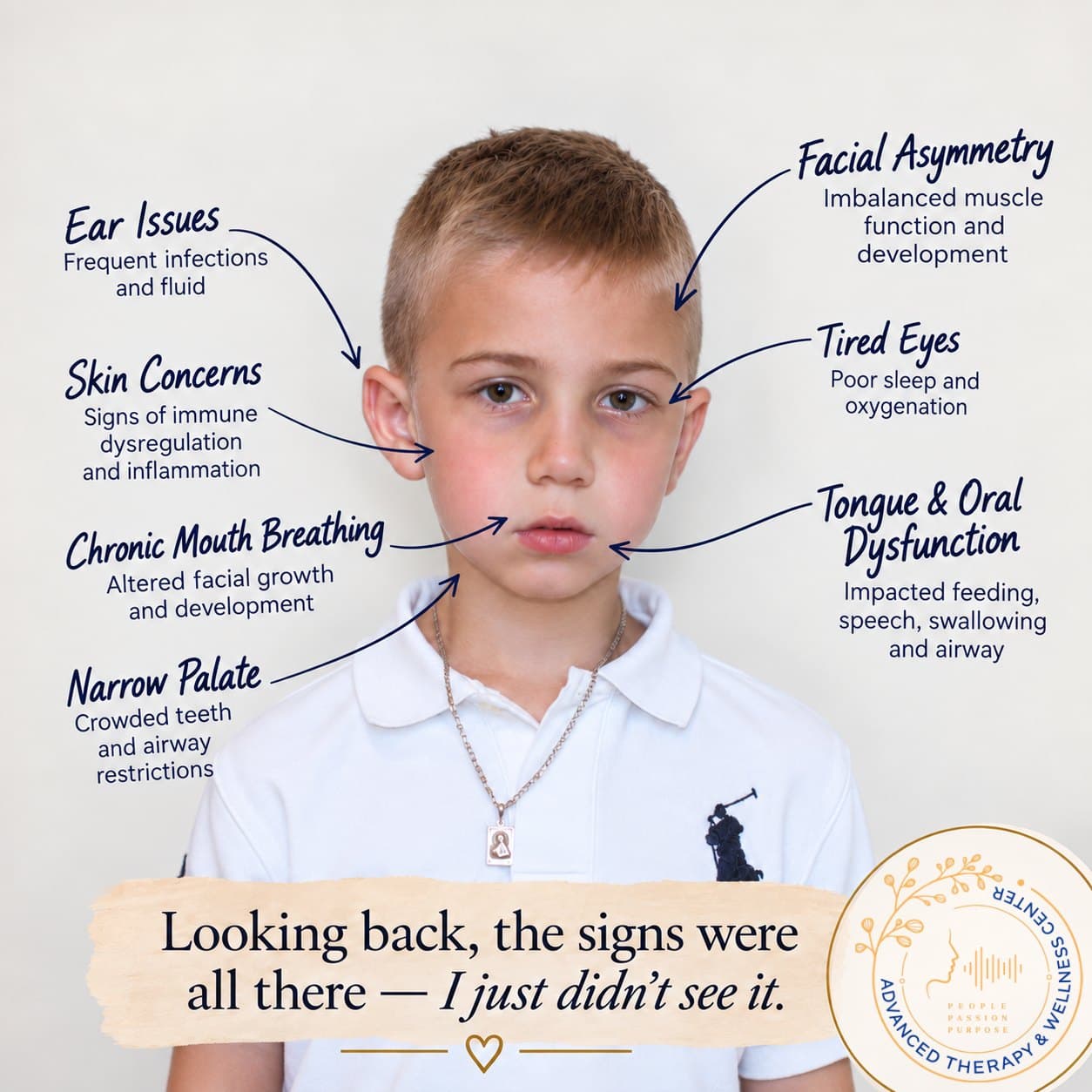
Normal is not how many people have it, and it is not a test coming back clean. Normal is a body doing what it was designed to do.
What changed
The order mattered. Expansion came first, because there was no space for his tongue to live in, and releasing it too early could have made his breathing and sleep worse. Michael got a palatal expander with Dr. Kevin Boyd, and we activated it daily.
Within two weeks his sleep changed. He stopped tossing and draping his head over the side of the bed searching for an open airway. He slept flat, lips closed, breathing through his nose. His mood lifted. His teachers noticed he was keeping pace. Then came a protraction mask at night.
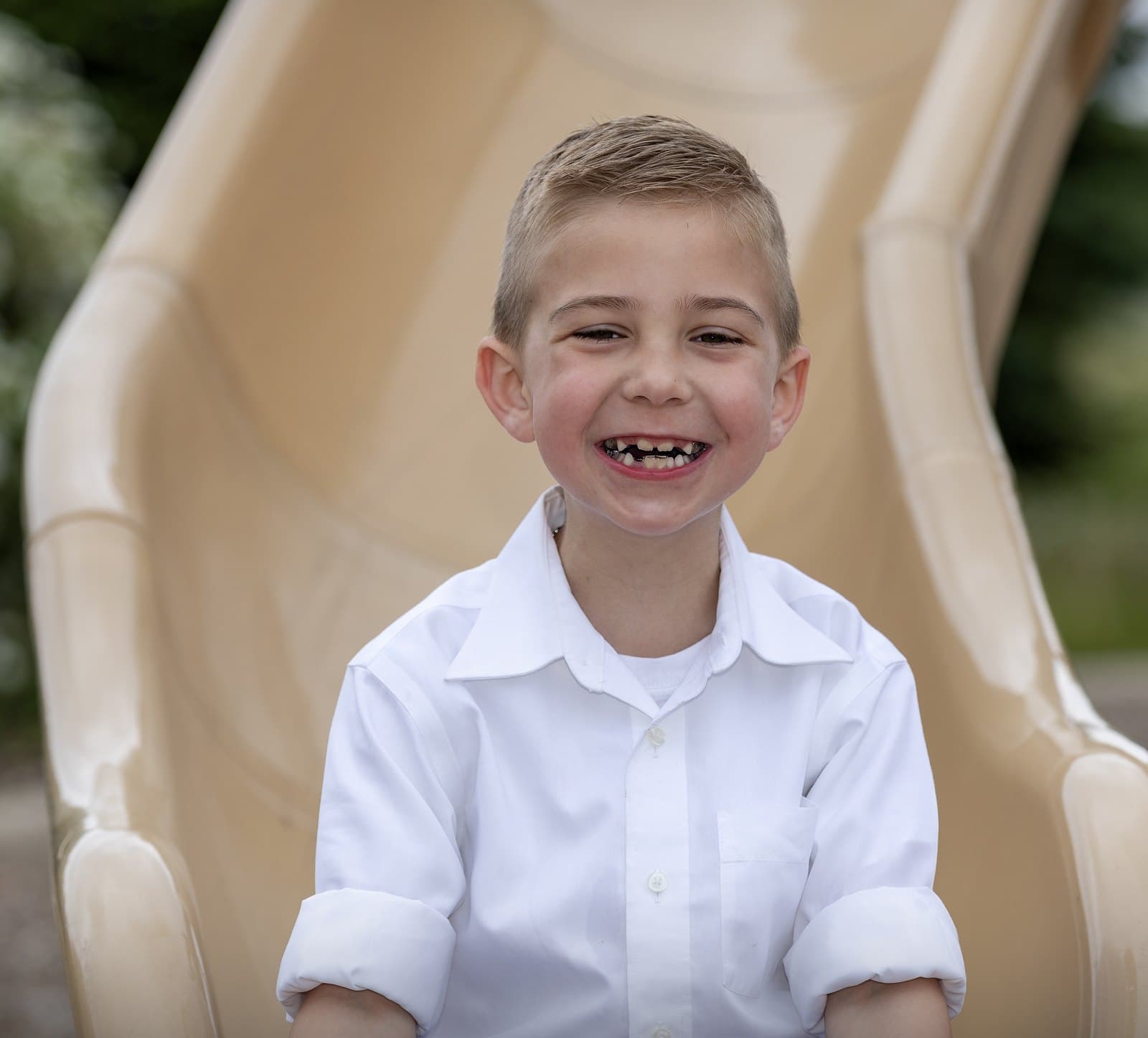
After six months of expansion, in June, he had his tongue tie and lip tie released. His coordination changed almost immediately. He could climb stairs without the railing. Within a few days he was riding his bike with no training wheels, at five years old. He breathed through his nose for the first time in his life. I did his myofunctional therapy myself, before and after the procedure: oral rest posture, nasal breathing and hygiene, lip posture, jaw stability, swallow retraining.
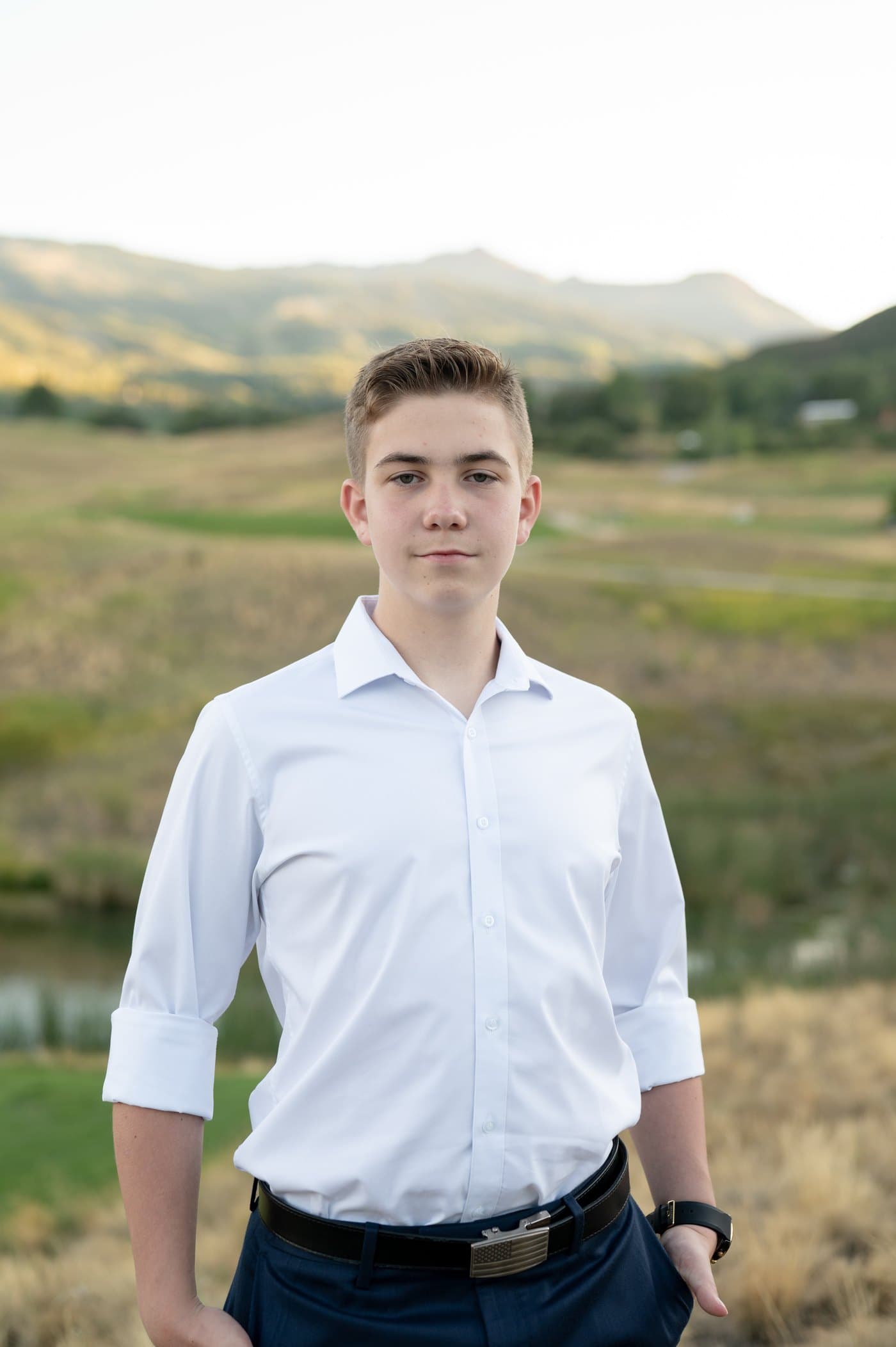
Michael is a freshman in high school now. He is 5'9" with size 13 shoes. He loves books, plays golf, rides horses, and is a very good student. He is still in his second phase of orthodontic work, and that is fine. This was never about a quick fix.
What stays with me is where it could have gone instead. In kindergarten he was falling behind and struggling to learn to read, and his teachers recommended sending him back to preschool, leaving him behind the kids his age. I cannot imagine what his life would look like now if we had accepted that answer.
Why I left the hospital
I am a speech-language pathologist, and my graduate training taught me none of this. Nothing on sleep quality, almost nothing on tongue ties, nothing on airway. Back at the hospital I looked at my own caseload and saw three or four children with Michael's exact pattern. Referrals had to stay in network, and nobody in network was trained for this. I presented research at department meetings and got shut down.
So I spent two years paying for my own courses, flights and conferences, learning from Dr. Kevin Boyd, Dr. Soroush Zaghi, Samantha Weaver, Kristy Gotto, Hallie Bulkin, Joy Moeller, Dr. William Hang, Dr. Derek Mahony, Patrick McKeown, Dr. Richard Baxter and many other providers from the US and internationally. Then I left, and opened Advanced Therapy & Wellness Center with no investors, no loan and no formal business plan. Within 18 months we had a waitlist and had to move to a larger office and hire.
What that means for your child here
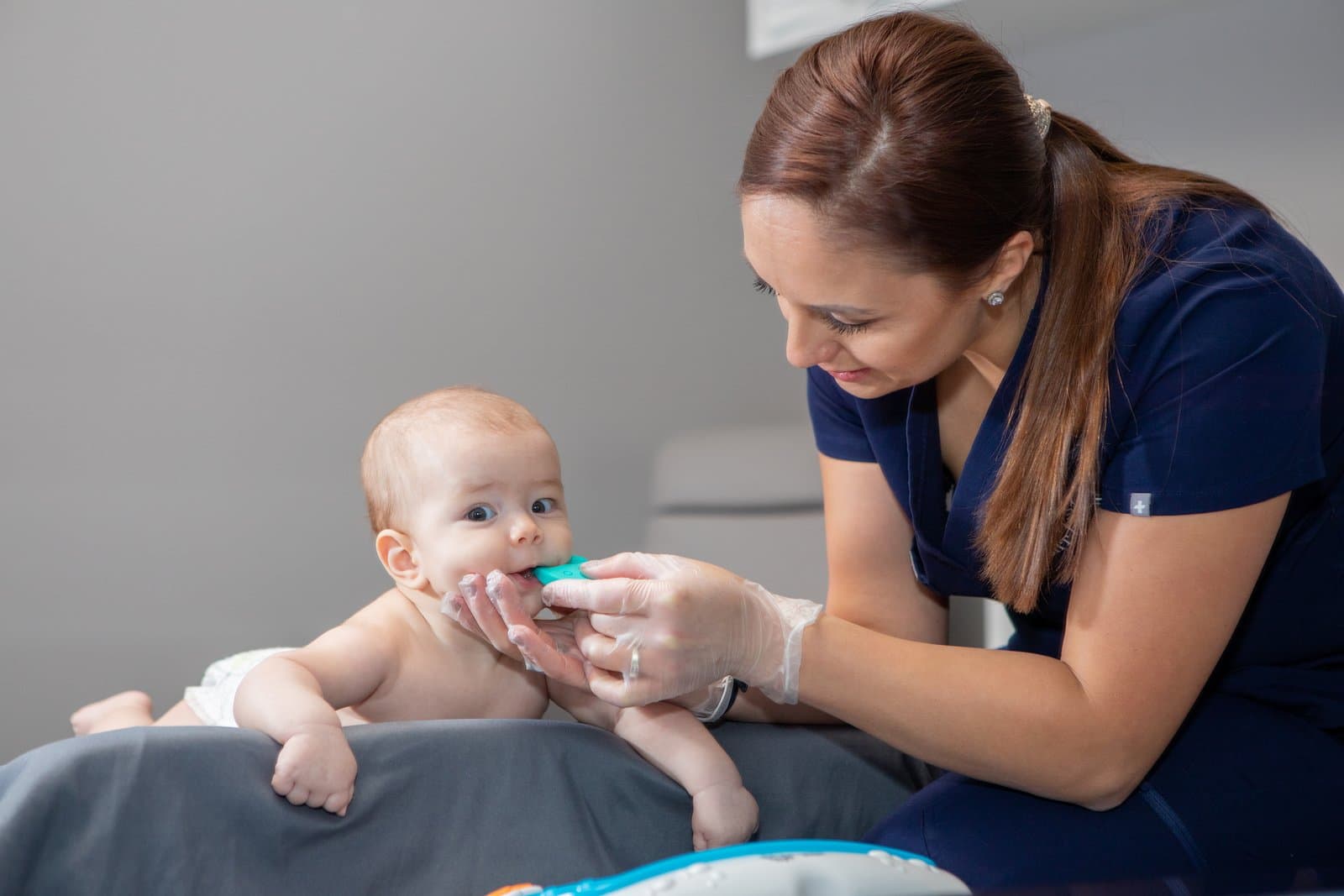
At ATWC in Crest Hill, the disciplines that had to find each other by accident in Michael's story work under one roof on purpose: speech-language pathology, orofacial myofunctional therapy, occupational therapy, and craniosacral fascial therapy for all ages, and pelvic floor therapy for adult women.
A first evaluation here looks at the whole pattern. How your child breathes, sleeps, eats, and moves, together, because in Michael I learned they were never separate. You will leave knowing what we found in plain language and what an appropriate next step looks like. We are in network with BCBS PPO, and we will give you a straight answer about cost before you book.

Stop deferring to others. They don't carry the weight of your child's future. You do.
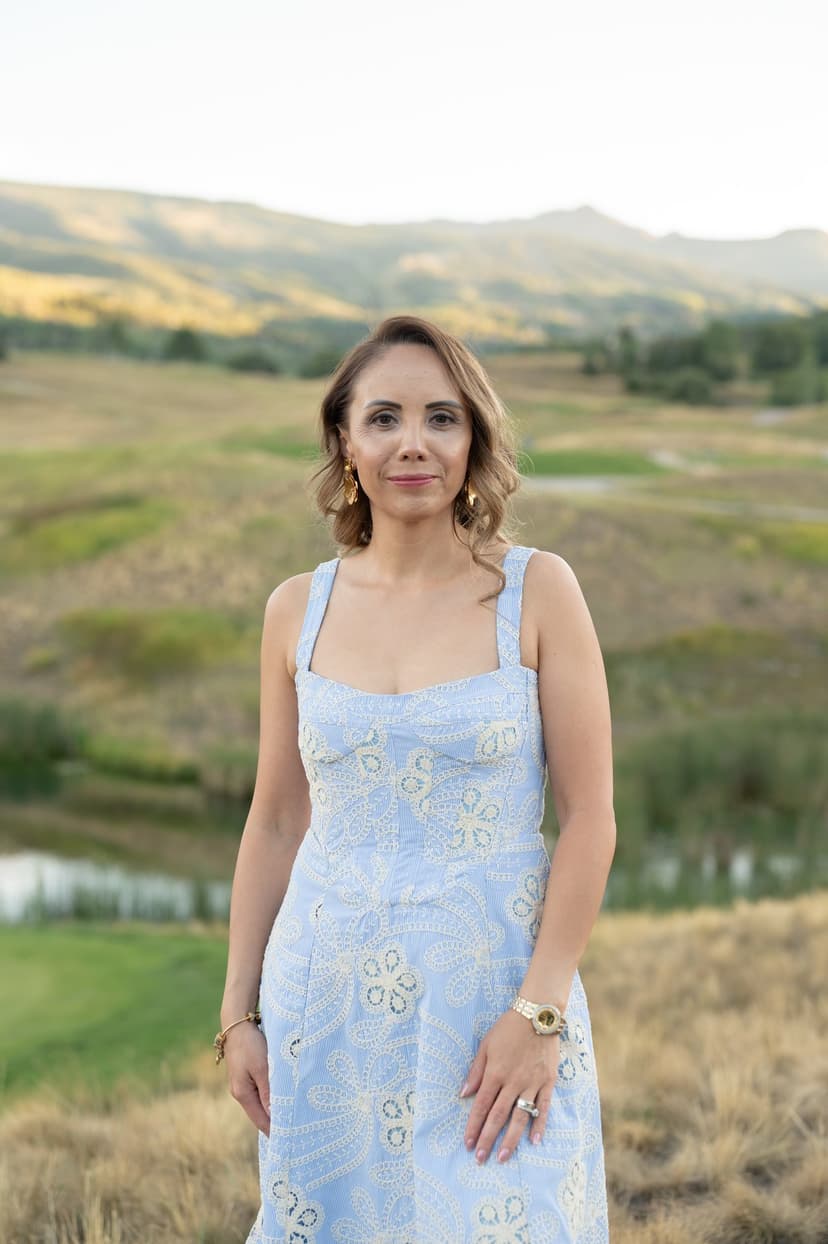

Margaret Stoch, MHS, CCC-SLP
Founder, Advanced Therapy & Wellness Center
Speech-Language Pathologist and Orofacial Myofunctional Therapist
Michael's mom